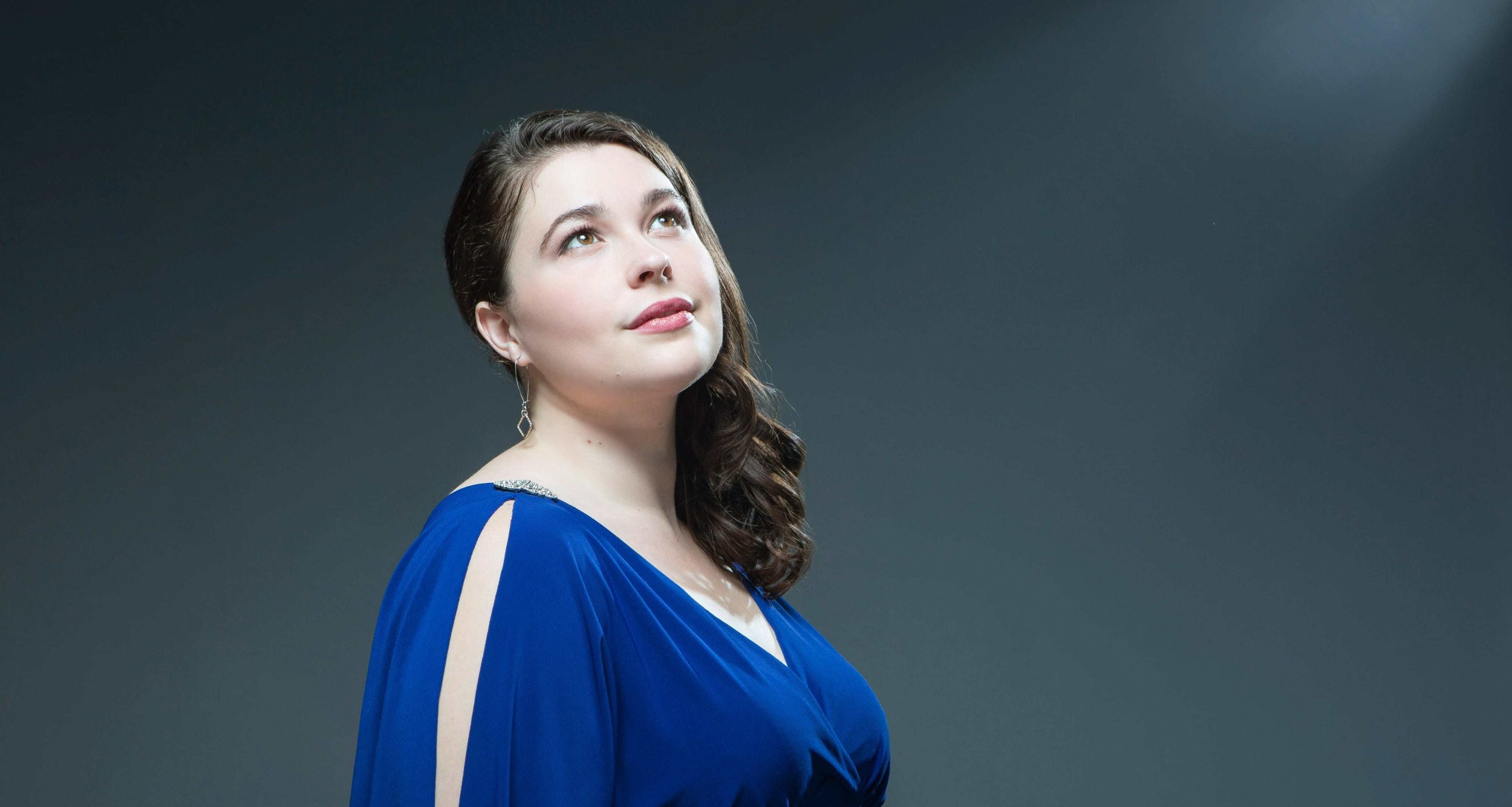
“Here For You” is your third studio album. How have you changed or evolved as a composer and vocalist since the first?
As a vocalist my instrument is always expanding; I’m still taking lessons, learning extended techniques, and other music culture styles too. Which gives me a more versatile instrument to both perform with and write for, especially when seated as a soloist or the only aerophone in the ensemble.
Through further compositional and arrangement studies, I challenged myself for the original melodies and arrangements to be far more exploratory and free (though certainly still approachable) than the modern interpretations of standards which were the focus of my previous albums. All of the prior recordings also featured guitar as the chordal instrument so the inclusion of piano brought out a lot more arrangement ideas, timbres, range, and a different concept of intonation too.
Listening to pairings like Oscar Peterson and Barney Kessel helped better inform my arrangements as I worked to understand how guitar and piano could live harmoniously in the same group. Pianist Jeremy Siskind and guitarist Zack Caplinger both have such a wealth of knowledge about arrangements and styles that playing with them also helped these songs to evolve organically in a concert setting first and a lot of the songs were re-written or re-arranged before we recorded them into the studio too.
Amongst the six original compositions is a fresh lyrical treatment of a Tommy Turrentine instrumental. What inspired you to add lyrics to that particular piece, and how did you approach it?
I’m a fan of Abbey Lincoln and heard “Long As You’re Living” on her Abbey Is Blue album; Tommy Turrentine is listed as a co-writer on that tune. I sought out his other work and came across his compositions in recordings with his brother Stanley Turrentine as leader.
In my vocal style I mostly focus on lyricism and connection through the music, so I don’t really have many bop or hard bop tunes in my songbook but Turrentine’s tunes and trumpet playing seemed to meld both of those aspects in a new way for me. I heard “You Said It” and it immediately seemed to have a conversational aspect to it, like excitedly relaying new happenings to a friend or in this case baring your heart to a romantic interest.
Delving into both Lincoln and Tommy Turrentine’s work made me better acquainted with Max Roach’s playing too, and the “Release Me” track on this new album features an inspiration from a calypso-ish groove Max played on a different recording, so there was a lot of inspiration to be found with that little group of musicians.
You and your group are based in Los Angeles. What should jazz fans around the world know about the current scene in LA?
It’s the land of the “casual” as opposed to the concert. There may not be many clubs like in New York, but you can go to many, many great restaurants and bars and find just an incredibly good jazz group playing there.
The title track, “Here For You,” is a duet with Jeremy Siskind that emphasises themes of connection and community. What was the inspiration behind this song, and what do you hope listeners take away from it?
I had a friend who was going through a big life shift – a divorce – and was withdrawing from our friendship, visibly struggling with his feelings of being alone in his awful feelings and loss of identity while also wanting to shield others from feeling as awful as he did. I felt a pull between wanting to be supportive, to somehow be the one to fix the pain, and also say the “right” things.
I’ve read enough about grief support to know that there is often no “right” thing to say and the best thing we can do is let people know we’re here for them, even if it’s just to sit in silence together or do rather mundane life tasks like help with laundry.
It’s the sense of community and kinship that are important – no one is alone in this world and though we are each unique there are so many points of connection too. The same month I wrote this piece I also found out two other close friends had silently been struggling with their own worth, questioning their value in the world, so the offer of companionship and support presented in the song naturally was extended to and shared with them as well, and now the song serves as a perpetual expression of love from me.
One of the standout tracks, “Give Us A Smile,” addresses the experience of women being asked to smile. Can you tell us more about what inspired this song and how you approached the lyrics?
“Give Us A Smile” is a very mild commentary on sexism, speaking to experiences spanning a woman being catcalled on the street to being approached for “attitude management” in the workplace. Being assessed as speaking too much or too aggressively when merely speaking at all.
Being asked to smile more, be more hospitable, amenable, “welcoming” – typically in order to make other men feel comfortable, but certainly some women have also internalized the concepts of performative pleasantness (“why don’t you just wear a bit more makeup? It really makes a great impression!” etc).
The bridge “I don’t feel like smiling today”… well sometimes you just want to be left alone. You’re struggling with something, don’t feel well, trying to manage your emotions internally; and it’s a whole other ballgame trying to execute an “acceptable” external expression too.
Some women walk down the street and see another man or a group of men approaching or which need to be passed and they run cold, just hoping there’s not a confrontation, that these guys don’t say anything untoward to her. Hoping they don’t say anything at all. Because who are they? Strangers. There is no need to comment on a stranger’s appearance or presentation, or request they change anything.
You’ve spoken about wanting to avoid the clichés often associated with jazz vocals. How did you approach the songwriting on this album to keep the lyrics fresh and relatable, while still rooted in the jazz tradition?
I look forward to further work on the word craft, but I do try to stay away from matchy-matchy rhymes, especially trite turns of phrases. Given that much of the Great American Songbook is written during the 20s-40s and come to us from musicals or movies, they almost feel like they should be sung in a Transatlantic accent…and you do actually hear a lot of jazz singers use a similar accent in their singing (though I’m not sure if it’s done so consciously!).
I enjoy movies from that time period but those lines are understandably written for a character and I perform as myself, so I wanted something a little more conversational. Clever, yet discernable. There is a wealth of beautiful lyricism in that time period too though, I want that to be clear; I especially like Dorothy Fields’ work.
Your album “To Know Love” was recorded while you were touring with The Glenn Miller Orchestra. How did your experience with that group shape your evolution as an artist?
My eyes were really opened to the art and business of performance: lighting, staging, contracts, tour routing, show planning, talking to fans after shows, etc. Prior to that I was “just” a singer: programming sets of standards I loved with some concept of groove, tempo, and key variations, but not necessarily telling a story or trying to craft an experience for the audience. This is a very massive concept that I’m still perpetually studying.
I wrote the arrangements for the album while touring and then recorded everything in New Orleans on a very quick 11-day break between show dates. It was a whirlwind process and I learned so much on that side too – I had recorded as a freelancer in many other studios before but never as a leader, producer. My hubby and trumpet player/composer Brad Black played split lead in the Orchestra too and was a huge resource during that time, especially in gathering the band for the studio recording.
Then after the recording it was back on the road, following up and sending out promo copies for press and airplay. A huge learning and growing experience.
Fans of Diana Krall’s Live In Paris, Stacey Kent’s Breakfast on the Morning Tram, Abbey Lincoln’s Sophisticated Lady, or even Laufey’s Bewitched will dig this album.